Post-Modern Naturalism: Reimagining the Garden
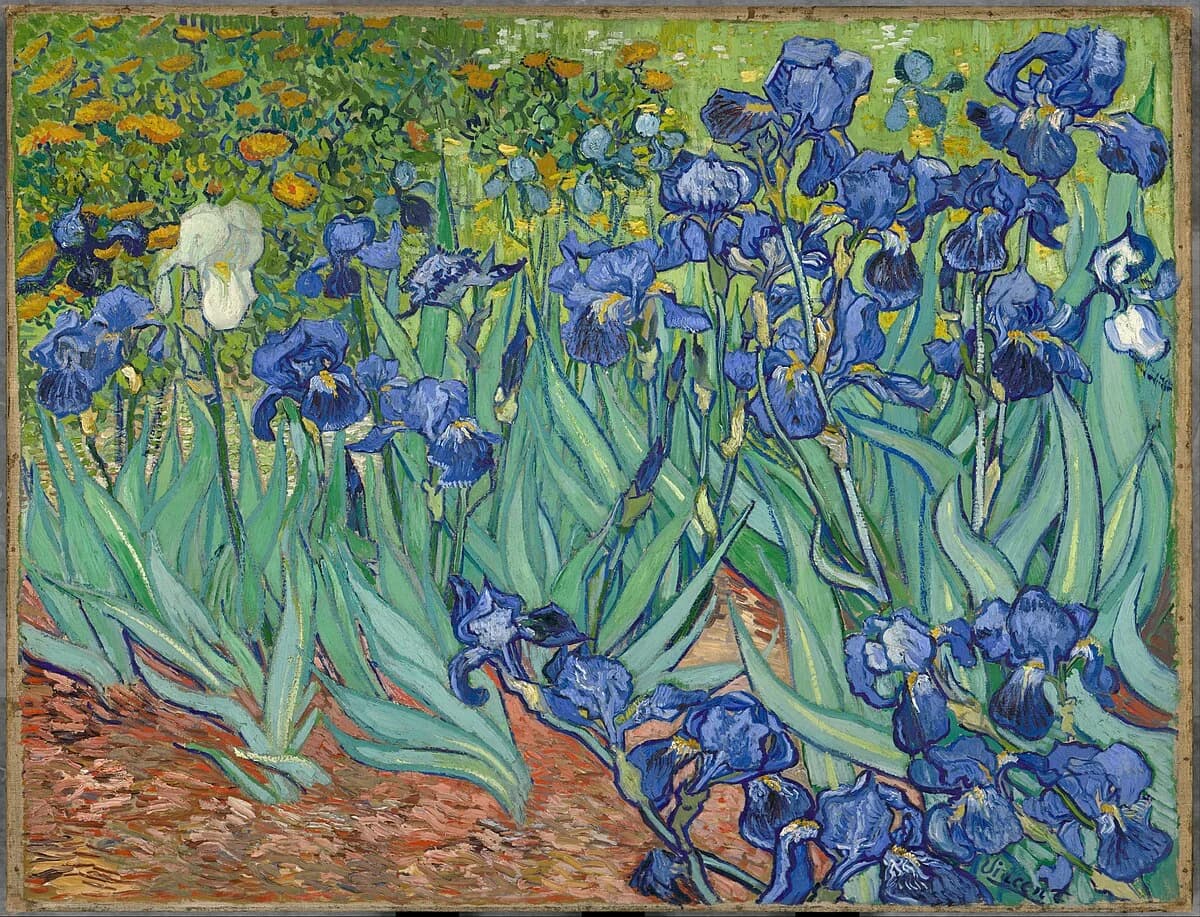
Realism mimics the world; abstraction interprets it. We are not interested in painting a flower exactly as it exists in nature. We are interested in how that flower feels in a memory.
The Flattened Form
Our aesthetic is rooted in a post-modern approach to naturalism. We take the chaotic complexity of the garden—the tangles of vines, the riot of leaves—and we flatten them. By reducing depth and focusing on bold, graphic silhouettes, we create patterns that are both recognizable and surreal.
This "flattening" technique allows the wall to remain a wall. It doesn't try to trick the eye into seeing a fake window; instead, it acknowledges the surface and decorates it with a rhythm of shape and color that feels contemporary and architectural.
Space over Subject
In classical botanical art, the focus is on the specimen. In our work, the focus is on the negative space between the specimens. We design environments, not illustrations.
When you enter a room wrapped in our Verdant Abstract collection, you are not looking at a picture of a jungle. You are stepping into a curated atmosphere where the colors of the jungle have been distilled into a mood. It is immersive, not observational.
The Modern Palette
We reject the muddy browns and realistic greens of traditional landscape painting. Our palette is unapologetically modern—vibrant teals, metallic golds, and deep, void-like blacks. We use color to evoke emotion, creating spaces that feel alive, vibrant, and undeniably now.
Continue the Conversation
Interested in how these philosophies translate to your home?
Start a Commission