Paint vs. Wallpaper vs. Both: The Modern Approach to Interior Finishes
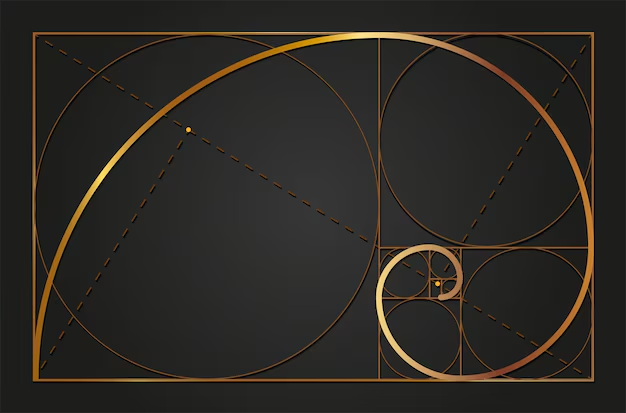
The question of whether to use paint, wallpaper, or a combination of both is one of the most fundamental decisions in interior design. While paint offers simplicity and flexibility, wallpaper provides texture, pattern, and visual interest. The modern approach, however, increasingly favors a strategic combination—but understanding how to distribute wallpaper across rooms following the golden ratio is key to creating homes that feel both cohesive and dynamic.
The Evolution of Interior Finishes
Historically, interior design has swung between extremes. The minimalist movements of the mid-20th century favored paint exclusively, viewing wallpaper as decorative excess. The maximalist trends of the 1980s and early 2000s, conversely, often covered entire rooms in pattern. Today's design philosophy recognizes that neither extreme serves the modern home effectively.
Contemporary interior design has evolved to embrace a more nuanced approach: using paint as the foundation and wallpaper as the accent. This hybrid method allows for both visual interest and breathing room, creating spaces that feel curated rather than overwhelming.
Why the Golden Ratio Works: Room Distribution Over Percentage
Rather than calculating percentages of wall surface area, a more practical and intuitive approach follows the golden ratio at the room level. The golden ratio—the mathematical relationship (approximately 1.618:1) that has guided aesthetic principles in art and architecture for centuries—can be applied to interior design by distributing wallpaper across rooms rather than walls.
For a typical three-room residence, this translates to wallpapering approximately one room while keeping the other two painted. This creates a natural visual hierarchy: two-thirds of your home maintains the calming, neutral backdrop that paint provides, while one-third features the pattern and texture of wallpaper. This distribution follows the same proportional logic that makes the golden ratio so effective in design—creating spaces that feel both engaging and comfortable.
For larger homes, the principle scales naturally. A six-room home might feature wallpaper in two rooms (one-third), while a nine-room home could have three wallpapered rooms. The key is maintaining that roughly one-third ratio of wallpapered spaces to painted spaces throughout the home.
This approach is particularly effective in residential spaces where people spend extended periods. Unlike commercial environments where bold patterns might be appropriate for short visits, homes benefit from a more restrained distribution that won't fatigue the eye over time. By limiting wallpaper to select rooms, you create focal points that draw attention without overwhelming the entire living environment.
Within each wallpapered room, you can still use wallpaper strategically—on a single feature wall, on all walls for maximum impact, or even on the ceiling. The room-level distribution ensures that pattern and texture are present but not dominant throughout your entire home, maintaining the visual harmony that the golden ratio provides.
Strategic Applications: Where Wallpaper Makes the Most Impact
Not all rooms are created equal when it comes to wallpaper application. The most effective use of wallpaper follows architectural logic and visual hierarchy, selecting rooms that will benefit most from pattern and texture.
Feature Walls Within Rooms
Within your designated wallpaper room, you can still use wallpaper strategically. The most common application is the feature wall—typically the wall that first greets you upon entering a room or the wall behind a significant piece of furniture. In a living room, this might be the wall behind the sofa. In a bedroom, it's often the wall behind the headboard. This approach creates an immediate focal point while maintaining visual balance.
Full Room Applications
For your designated wallpaper room, you can wallpaper all walls for maximum impact. Smaller spaces like powder rooms, entryways, or reading nooks work particularly well with full wallpaper coverage, as their intimate scale creates a cocoon-like effect. Since you're following the one-in-three golden ratio, these smaller rooms can embrace pattern fully without overwhelming the home.
Ceiling Applications
An increasingly popular trend is applying wallpaper to ceilings, particularly in dining rooms, bedrooms, or studies. This application adds visual interest without competing with furniture or artwork, and works beautifully in your designated wallpaper room as part of the overall design scheme.
The Psychology of Mixed Finishes
There's a psychological reason why the combination of paint and wallpaper works so effectively. Paint provides visual rest—large expanses of solid color allow the eye to relax and the mind to process the space without visual noise. Wallpaper, by contrast, provides visual stimulation—pattern and texture engage the eye and create points of interest.
The human brain processes visual information more efficiently when there's a balance between stimulation and rest. Too much pattern creates cognitive overload, while too little creates visual boredom. The golden ratio approach—roughly one wallpapered room per three rooms—aligns with how our visual processing systems naturally function, creating homes that feel both engaging and comfortable.
This balance is particularly important in spaces where people work, relax, or sleep. A bedroom with 100% wallpaper might feel too stimulating for rest, while a living room with only paint might lack the character needed for social gatherings. The combination addresses both needs.
Color Coordination: Making Paint and Wallpaper Work Together
Successful integration of paint and wallpaper requires thoughtful color coordination. The paint color should either complement or be extracted from the wallpaper's palette. This creates visual continuity even when the finishes differ.
One effective approach is to pull a secondary color from the wallpaper pattern and use it as the paint color for the remaining walls. If a wallpaper features deep navy, soft cream, and gold accents, painting the other walls in the cream shade creates harmony. Alternatively, using a neutral paint color that appears in the wallpaper's background ensures the two finishes feel intentionally paired rather than accidentally adjacent.
The paint should never compete with the wallpaper for attention. If the wallpaper is bold and graphic, the paint should be more subdued. If the wallpaper is subtle and textural, the paint can be slightly more saturated. This hierarchy ensures the wallpaper serves its intended purpose as a focal point.
Texture and Material Considerations
Beyond color and pattern, the material qualities of both paint and wallpaper contribute to the overall effect. Matte paint finishes work well with most wallpapers, as they don't compete with the wallpaper's own texture and finish. High-gloss paint, by contrast, can create visual conflict with textured wallpapers.
When selecting wallpaper for a mixed-finish approach, consider how its texture will interact with painted surfaces. Smooth, flat wallpapers create a clean contrast with painted walls. Textured wallpapers, such as those with embossed patterns or fabric substrates, add another dimension that can make the painted areas feel more substantial by comparison.
The sheen level of both finishes should be considered. A matte wallpaper paired with matte paint creates a cohesive, unified look. A slightly glossy wallpaper can work with matte paint if the contrast is intentional, but both should be chosen with awareness of how they'll interact.
Room-by-Room Guidelines
Living Rooms
Living rooms are excellent candidates for wallpaper, as they're often the social heart of the home. A feature wall behind the main seating area creates a dramatic backdrop, or you can wallpaper all walls for maximum impact. Since this is likely one of your designated wallpaper rooms, you have freedom to be bold.
Bedrooms
Bedrooms work beautifully with wallpaper, creating intimate, restful environments. You can wallpaper behind the headboard wall only, or extend it to all walls for a cocoon-like effect. Some designers also apply wallpaper to the ceiling above the bed for added interest.
Dining Rooms
Dining rooms can handle pattern well, as they're typically used for shorter periods. A feature wall or ceiling application works beautifully, and since dining rooms are often separate spaces, they're perfect candidates for your one-in-three wallpaper allocation.
Kitchens
Kitchens require careful consideration due to moisture and cleaning needs. If you choose to use your wallpaper allocation here, it's typically limited to a breakfast nook area or a single accent wall away from cooking surfaces. Paint remains the primary finish for most kitchen surfaces for practical reasons.
Bathrooms
Powder rooms are ideal for wallpaper—they're small, separate spaces that can embrace pattern on all walls. Full bathrooms require moisture-resistant wallpaper and are often best served by paint on most surfaces, but they can work as your designated wallpaper room if you select appropriate materials.
Common Mistakes to Avoid
One of the most common mistakes is using wallpaper that's too bold or busy for the space, then trying to balance it with equally bold paint colors. This creates visual competition rather than harmony. The wallpaper should be the star, with paint playing a supporting role.
Another mistake is wallpapering too many rooms, which can make the entire home feel busy and overwhelming. Following the golden ratio—roughly one wallpapered room per three rooms—ensures that pattern has enough presence to matter without dominating your entire living environment.
Failing to consider the room's natural light is another error. Dark wallpapers in north-facing rooms or rooms with limited windows can make spaces feel smaller and darker. Conversely, very light, subtle wallpapers in bright, south-facing rooms might not provide enough contrast to be effective.
The Future of Interior Finishes
As interior design continues to evolve, the trend toward mixed finishes shows no signs of slowing. The golden ratio approach to room distribution has become a recognized standard because it works—it creates homes that feel both current and timeless, interesting but not overwhelming.
This approach also aligns with sustainability concerns. By using wallpaper strategically in select rooms rather than throughout the entire home, homeowners can invest in higher-quality, longer-lasting wallpaper for those special spaces while using more economical paint for the majority of surfaces. This creates better value and reduces waste over time.
The combination of paint and wallpaper represents a mature approach to interior design—one that recognizes the value of both simplicity and complexity, and understands that the best homes balance both elements thoughtfully, following the proportional harmony that the golden ratio provides.
Conclusion: Finding Your Balance
The decision to use paint, wallpaper, or both isn't about following trends—it's about understanding how different finishes serve different functions in a home. Paint provides the foundation: clean, flexible, and calming. Wallpaper provides the accent: interesting, textured, and character-defining.
The golden ratio approach—roughly one wallpapered room per three rooms—isn't arbitrary; it's based on how we process visual information and what creates homes that feel both engaging and comfortable. Whether you choose to wallpaper a living room, bedroom, dining room, or powder room, following this distribution ensures your choices will create a home that works both aesthetically and functionally.
Ultimately, the best interior finishes are those that serve the people who live in the space. By combining paint and wallpaper thoughtfully, following the golden ratio's proportional harmony, you create environments that are both beautiful and livable—homes that inspire without overwhelming, that feel both current and timeless.
Continue the Conversation
Interested in how these philosophies translate to your home?
Start a Commission