Chiaroscuro of the Home: Light, Shadow, and the Role of Art
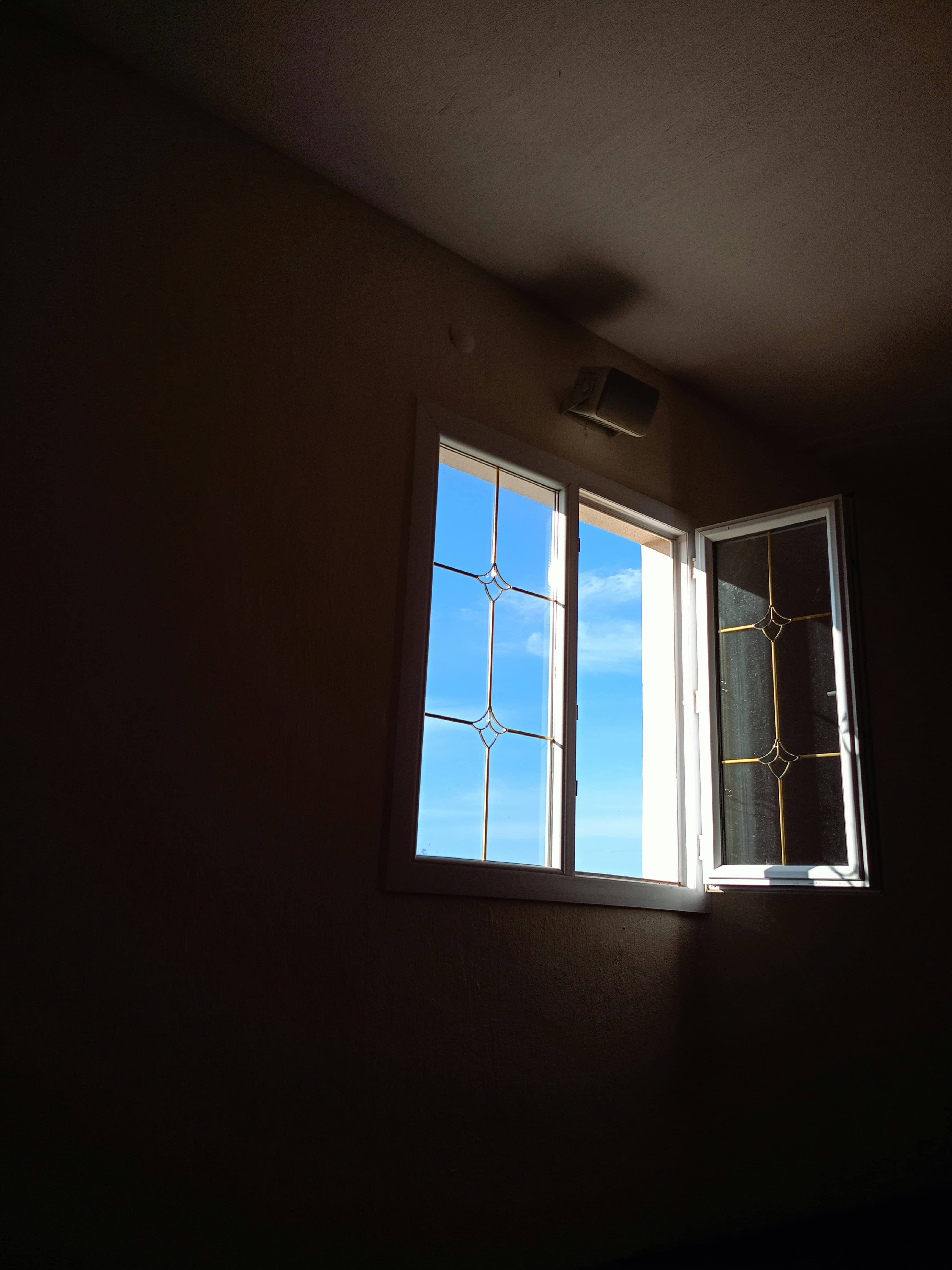
A room without shadows is a room without depth. In our world, light is not just a utility; it is the active partner of our art. It reveals the texture of the silk fabric, the shimmer of the pearlescent and iridescent finishes, and the soul of the pigment.
The Art of Shadows
In classical painting, chiaroscuro—the dramatic contrast between light and dark—was used to give volume to figures. We apply this same principle to interior space. Our wallpapers are not flat prints; they are textured surfaces that catch and hold light.
As the sun moves across a room, a hand-painted vine might disappear into shadow or blaze with sudden clarity. This constant evolution means the art is never static. It changes with the hour and the season, living in time with the inhabitants of the home.
Texture as a Light Trap
We use materials that have a dialogue with light. The matte finish of hand-applied pigments absorbs light, creating pools of rich, velvety color. The pearlescent and iridescent textures reflect and refract it, creating shifting hues that throw warmth and depth back into the room. This interplay creates a "micro-climate" of light on the walls.
Jun'ichirō Tanizaki, in In Praise of Shadows, lamented the loss of subtle darkness in the modern age. We seek to bring it back. By embracing the shadow as much as the light, we create spaces that feel intimate, mysterious, and profoundly restful.
Atmosphere Over brightness
Modern lighting design often prioritizes uniform brightness. We advocate for atmosphere. Our wall demands to be lit with intention—a sconce that highlights a specific brushstroke, or a dim lamp that allows the pearlescent finish to glow softly in the gloom, revealing its hidden depths.
It is in these moments of high contrast that the true role of art in the home is revealed: not just to be seen, but to shape the very feeling of the air around you.
Continue the Conversation
Interested in how these philosophies translate to your home?
Start a Commission