Figures in the Room: Architecture, Memory, and the Painted Wall
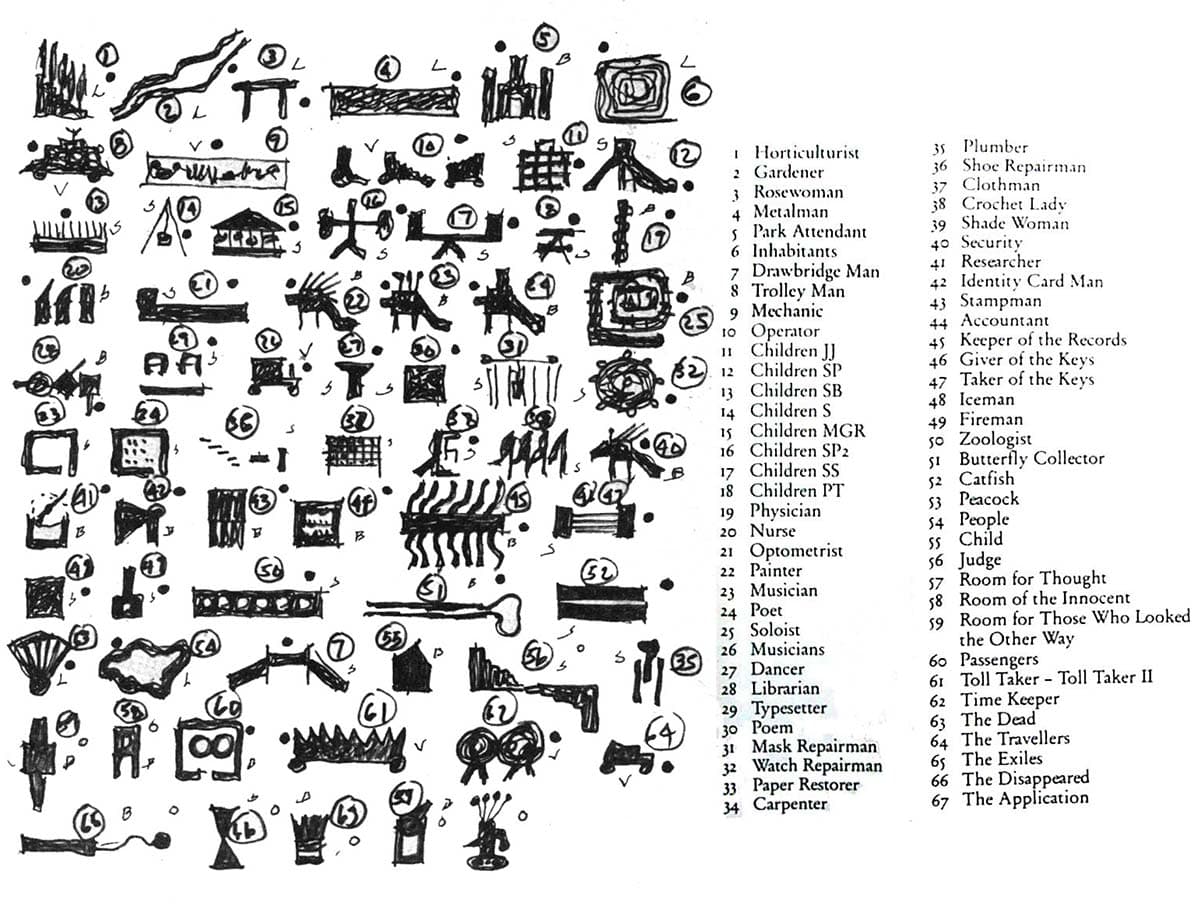
Architecture is not just about shelter; it is about storytelling. When we design a wallpaper, we are not just covering a surface. We are introducing a new 'character' into the room—a silent figure that holds the memory of the space.
Hejduk's Figures
The late architect John Hejduk spoke of "Masques" and "Figures"—architectural structures that were not static buildings but participants in a narrative. He believed that form could carry the weight of human experience. At our studio, we see our hand-painted panels as these figures.
A wall covered in our Midnight Flora is not passive. It has a presence. It stands in the room like a Hejduk figure, witnessing the life that unfolds before it. It transforms the empty void of a room into a place populated by art, history, and meaning.
Rossi and Nostalgic Memory
Aldo Rossi, in his seminal work The Architecture of the City, emphasized the concept of "collective memory." He argued that the most powerful spaces are those that resonate with a shared past. Our wallpapers are designed to tap into this reservoir of nostalgic memory.
We use archetypal forms—the vine, the bird, the cloud—but render them through a lens of abstraction. This allows them to feel familiar yet dreamlike, triggering a sense of déjà vu. It is a memory of a garden you may have never visited, yet somehow know. This connection to a "universal past" grounds a modern home, giving it a soul that sleek minimalism often lacks.
The Inhabited Wall
By treating the wall as a canvas for figures and memory, we change the relationship between the inhabitant and the home. You are no longer alone in a box; you are living amongst art that breathes with the same history and emotion as the architecture itself.
Continue the Conversation
Interested in how these philosophies translate to your home?
Start a Commission